
September 14, 2025 3 min read

Introduction: More Than Just a Ball – Why Bowling Ball Materials Matter

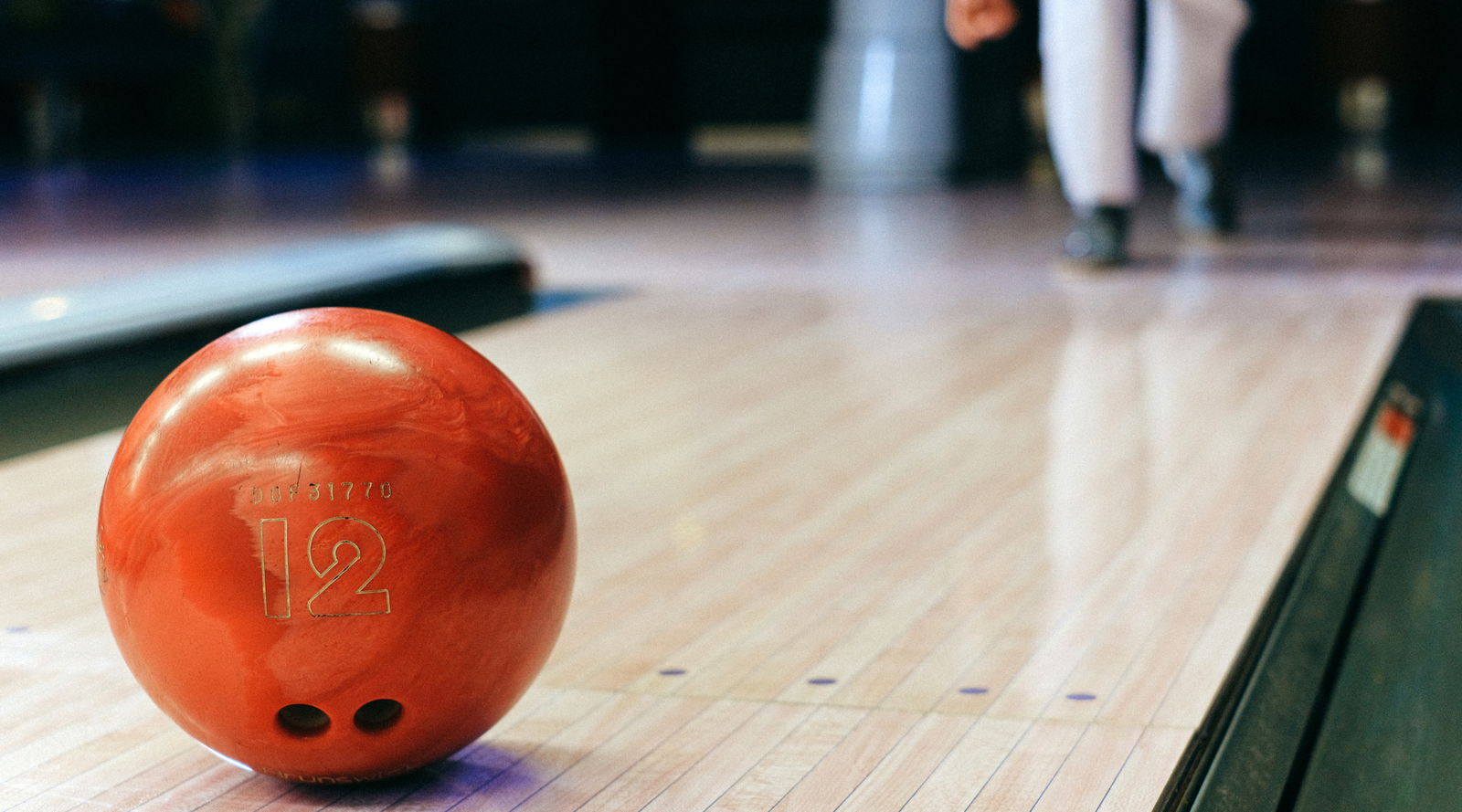
Every bowler knows the feeling of picking up a ball that just feels “right” — perfectly balanced, with a grip that inspires confidence. What many don’t realize is how much science and craftsmanship go into creating that perfect ball. From the materials used to the engineering inside, every detail affects performance, control, and how your ball interacts with the lane.

In this guide, we’ll dive deep into the evolution of bowling ball materials, explore USA manufacturing standards, and break down how different coverstocks and cores influence your game. Whether you’re a casual player or a competitive bowler, Apparel EFX — trusted by over 30 professional bowlers and proud PWBA sponsor — has your back.

EFX

STORM - INFINITE PHYSIX - BOWLING JERSEY

The Evolution of Bowling Ball Materials

From Wood to Rubber: A Historic Start

In the early 1900s, bowling balls were made of lignum vitae, a dense hardwood known for its durability. By the mid-20th century, hard rubber became the material of choice, offering greater consistency and a smoother roll.

Enter the Modern Era: Plastic, Urethane, and Reactive Resin

The introduction of plastic (polyester) balls in the 1960s marked a turning point. Later, urethane balls improved hook potential, and reactive resin revolutionized the sport with increased traction on oily lanes. Today’s materials are more specialized than ever, helping bowlers match their ball to their playing style.


What Are Bowling Balls Made Of Today?

The Coverstock: Your Ball’s First Impression

The coverstock is the outer layer of the ball and determines how it grips the lane:

  • Plastic (Polyester): Best for beginners and spare shooting.

  • Urethane: Offers more control and a smoother hook.

  • Reactive Resin: Perfect for aggressive hooks and advanced players.

  • Particle (Proactive): Adds texture for heavy oil lane conditions.

The Core: The Engine Inside

At the heart of every ball is its core, or weight block:

  • Symmetrical cores provide predictable motion.

  • Asymmetrical cores deliver sharper hook potential.

The Filler Material

Lightweight filler balances the ball’s weight and structure, contributing to overall stability.

What Are Bowling Balls Made Of in the USA?

USA Manufacturing Standards

Bowling balls made in the USA follow strict USBC (United States Bowling Congress) regulations for weight, size, and performance. This ensures consistency across brands and models.

Leading U.S. Bowling Ball Brands

Brands like Brunswick, Storm, Motiv, and 900 Global set the standard for innovation, with unique coverstock blends and core designs trusted by professional players.

Why U.S.-Made Bowling Balls Stand Out

  • Durability: Long-lasting performance under rigorous conditions.

  • Precision: Advanced engineering techniques.

  • Pro-Level Trust: Top athletes rely on these brands for competition.

How Bowling Ball Materials Affect Performance

  • Hook Potential: Reactive resin balls hook more aggressively than plastic.

  • Oil Absorption: Resin balls absorb lane oil to create friction.

  • Weight Distribution: Core design influences motion and balance.

  • Bowler Style Matching: Strokers, tweeners, and crankers each benefit from different materials.

Choosing the Right Bowling Ball

When selecting a ball, consider:

  • Lane Conditions: Dry, medium, or heavy oil patterns.

  • Skill Level: Beginners often start with plastic; advanced players opt for resin.

  • Budget: Entry-level balls are more affordable, while high-performance options cost more.

  • Pro Shop Advice: Consulting experts ensures a perfect fit.

Care and Maintenance for Bowling Balls

Keep your ball in peak condition with:

  • Regular Cleaning: Wipe off oil after each session.

  • Surface Adjustments: Sanding or polishing to maintain grip.

  • Proper Storage: Avoid temperature extremes to prevent cracking.

Apparel EFX: Outfitting Bowlers for Peak Performance

The same attention to detail you use to select your ball should extend to your apparel. Apparel EFX offers:

  • Custom Sublimated Bowling Jerseys for comfort and style.

  • Pro-Level Quality: Trusted by 30+ professional bowlers.

  • PWBA Sponsorship: A sign of excellence in the sport.

Explore our bowling jerseys collection and elevate your game today.

Wrapping It Up: Own Your Game

Understanding bowling ball materials helps you choose the perfect ball, improve your performance, and gain confidence on the lanes. Pairing the right ball with custom apparel from Apparel EFX ensures you’re fully equipped to succeed.

FAQ: Bowling Ball Materials

1. What are the three types of bowling ball coverstocks?
Plastic, urethane, and reactive resin.

2. What is inside a bowling ball?
A weight block (core) surrounded by filler material.

3. Are bowling balls made of rubber?
Not anymore! Rubber was popular in the mid-1900s but is now obsolete.

4. How do U.S.-made bowling balls compare to imports?
U.S. balls often feature stricter quality control and advanced materials.

5. Which material is best for beginners?
Plastic balls are ideal for learning and spare shooting.