
Order Status Login 0

March 03, 2026 7 min read

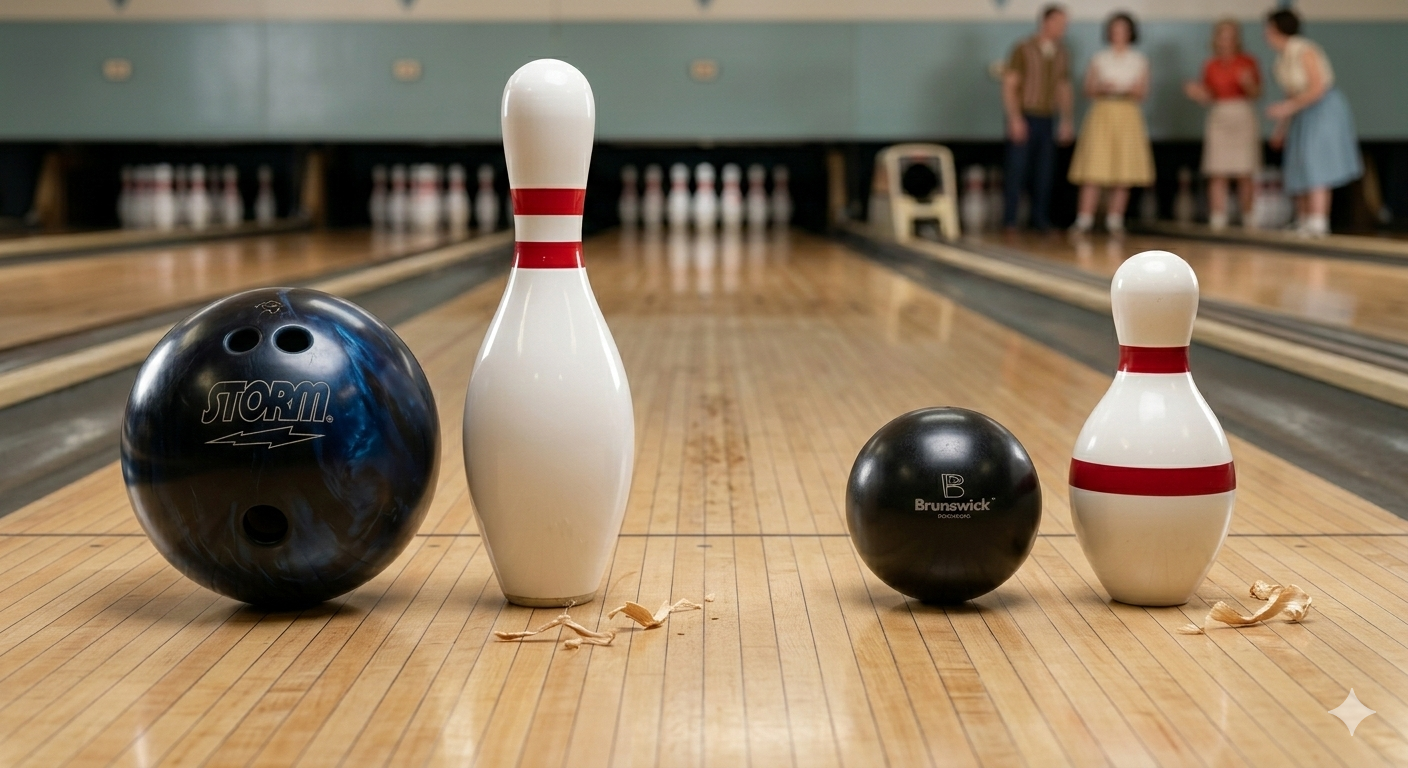
Duck pin bowling is a variation of traditional bowling that uses smaller, squatter pins resembling ducks and handheld balls without finger holes that weigh 3-4 pounds. Unlike ten-pin bowling where pins measure 15 inches tall, duck pins stand only 9.4 inches high with a maximum diameter of 4.1 inches, creating a wider, stubbier appearance that inspired the "duck" name. Players get three balls per frame instead of two, and knocking down all pins requires more precision since the smaller ball mass creates less pin action than standard bowling balls. This distinctive format originated in Baltimore around 1900 and remains popular primarily in the Mid-Atlantic and New England regions.

Basic Duck Pin Equipment and Setup

Duck pin bowling's most distinctive feature is its equipment dimensions. Duck pins measure 9.4 inches tall—roughly 60% the height of standard ten-pins—with a squat, wide profile that creates less dramatic pin scatter when struck. The pins weigh between 1 pound 8 ounces and 1 pound 15 ounces, compared to ten-pins' 3 pound 6 ounce to 3 pound 10 ounce weight range.

The bowling balls lack finger holes entirely, measuring approximately 5 inches in diameter with weights between 3 pounds 6 ounces and 3 pounds 12 ounces. Bowlers grip these balls in their palms like softballs, requiring different delivery mechanics than ten-pin bowling's finger-hole grip. The lighter weight makes duck pin bowling accessible to children, seniors, and people with physical limitations who struggle with heavier equipment. Bowlers wearing custom bowling jerseys can use their regular ten-pin attire for duck pin play.

Lane dimensions remain similar to ten-pin bowling at approximately 60 feet from foul line to headpin, though duck pin facilities sometimes use slightly shorter lanes. The pin arrangement follows the standard triangular pattern with 12-inch spacing between pin centers, identical to ten-pin configuration. This similarity allows some centers to convert between formats, though dedicated duck pin facilities maintain permanent installations.

Feature

Duck Pin

Ten-Pin

Pin height

9.4 inches

15 inches

Ball weight

3.6-3.75 lbs

6-16 lbs

Finger holes

None

2-3 holes

Balls per frame

3

2

Maximum score

300

300

Rules and Scoring System

Duck pin bowling's signature rule allows three balls per frame instead of two. Bowlers receive three attempts to knock down all ten pins, creating different strategic considerations than traditional bowling. If you achieve a strike (all pins with first ball), the frame ends immediately—you don't throw additional balls. Similarly, spares (all pins with two balls) end the frame without using the third ball. The third ball only applies when pins remain standing after two deliveries.

Scoring follows ten-pin bowling's basic framework: strikes score 10 plus the next two balls, spares score 10 plus the next ball, and open frames score only the pins knocked down. The maximum score remains 300, requiring 12 consecutive strikes. However, perfect games occur extraordinarily rarely—fewer than 50 sanctioned 300 games have been recorded throughout duck pin's 120+ year history, demonstrating the format's difficulty.

Average scores run significantly lower than ten-pin bowling. A respectable 120 duck pin average compares to approximately 180-190 in ten-pin. Professional bowlers averaging 200+ in ten-pin often struggle to average 130-140 in duck pin due to reduced pin action from the lighter ball. Understanding bowling scoring basics helps contextualize duck pin's lower scoring expectations. Players in Storm bowling jerseys who excel at ten-pin shouldn't assume automatic duck pin success.

Playing Technique and Strategy

Duck pin delivery mechanics differ substantially from ten-pin bowling. Without finger holes, bowlers palm the ball entirely, controlling it through grip strength rather than finger leverage. The lighter weight allows faster ball speeds than typical ten-pin deliveries, though controlling the smaller ball's direction presents challenges that offset speed advantages.

Most duck pin bowlers adopt shorter, more compact approaches than ten-pin bowlers use. The reduced weight eliminates needs for extensive backswing momentum, while excessive backswing creates control problems with the gripless ball. Release mechanics emphasize accuracy over power—the lighter ball and smaller pins reward precise placement rather than aggressive speed. Bowlers can't generate significant hook due to the gripless design, so most roll relatively straight balls targeting specific pocket angles.

The three-ball system creates unique strategic considerations. After knocking down 7 pins on your first ball, you have two remaining attempts to spare. Some bowlers adopt conservative second-ball approaches, targeting high-percentage pickups that leave simple single-pin leaves for the third ball. Others take aggressive lines attempting immediate spares, accepting riskier third-ball leaves if unsuccessful. This strategic depth appeals to bowlers who enjoy tactical decision-making beyond pure physical execution. Players wearing Hammer bowling jerseys who master ten-pin spare shooting must recalibrate their techniques for duck pin's unique geometry and reduced pin action. Equipment like the Hammer Black Widow Mania bowling jersey represents ten-pin technology that doesn't translate directly to duck pin play.

Historical Origins and Regional Culture

Duck pin bowling originated in Baltimore, Maryland around 1900 when baseball players John McGraw and Wilbert Robinson experimented with smaller pins after finding standard bowling insufficiently challenging. The sport gained immediate regional popularity, spreading throughout Maryland and eventually reaching other Mid-Atlantic and New England states where it developed strong cultural followings.

The "duck pin" name emerged from the pins' resemblance to short, squat ducks. Some historians suggest fallen pins "waddling" or "flying" when struck reinforced the duck comparison. Regardless of naming origins, duck pin became deeply embedded in Mid-Atlantic culture, particularly in Maryland, Virginia, Connecticut, and Massachusetts where dedicated facilities flourished throughout the mid-20th century.

Duck pin popularity peaked during the 1950s-1960s with hundreds of dedicated alleys operating across core regions. The format declined as ten-pin bowling gained nationwide dominance through standardization and professional tour development. However, duck pin maintains devoted followings in traditional strongholds where multi-generational families pass down regional bowling traditions. Understanding bowling's cultural significance includes recognizing regional variations like duck pin that developed alongside mainstream ten-pin.

Modern duck pin facilities concentrate heavily in Maryland, especially Baltimore where the sport originated. Connecticut maintains multiple dedicated centers, as do parts of Massachusetts and Rhode Island. Northern Virginia near Washington D.C. supports several facilities serving regional enthusiasts. Outside these areas, finding duck pin bowling proves challenging as most regions exclusively support ten-pin facilities. Competitive leagues continue operating in traditional regions, with participants wearing team jerseys from collections like Motiv bowling jerseys or Brunswick bowling jerseys adapted for duck pin competition.

Duck Pin vs Ten-Pin Comparison

Duck pin bowling presents greater difficulty than ten-pin based on perfect game rarity and average scoring levels. The smaller ball creates minimal pin action—pocket hits that would strike in ten-pin often leave multiple standing pins in duck pin. Expert ten-pin bowlers striking 50-60% of frames might strike only 10-20% in duck pin, demonstrating the difficulty increase.

However, duck pin offers significant accessibility advantages. The lighter equipment and simpler delivery mechanics accommodate children as young as 5-6 who struggle with youth bowling balls in ten-pin. Senior citizens with reduced grip strength find duck pin more manageable. People with certain disabilities benefit from the format's lighter balls and three-attempt system, making duck pin an inclusive alternative when ten-pin proves physically challenging.

The skill ceiling appears lower in duck pin due to physical limitations—even perfect execution produces less consistent results because small balls cannot drive through pins as effectively as heavier ten-pin balls. This randomness frustrates competitive bowlers seeking high-percentage execution rewards, while appealing to recreational players who enjoy the challenge and unpredictability. Equipment technology plays minimal role in duck pin compared to modern ten-pin where reactive resin balls and advanced cores significantly impact performance.

Players in Roto Grip bowling jerseys or 900 Global bowling jerseys might appreciate duck pin as a humbling alternative that emphasizes accuracy over power. Equipment like the Roto Grip Optimum Idol bowling jersey or 900 Global Zen 25 bowling jersey represents ten-pin technology sophistication that has no duck pin equivalent.

EFX

Related Bowling Variations

Candlepin bowling represents another regional variation popular in New England, using even taller, thinner pins (15.75 inches tall, 2.9 inches diameter) resembling candles. Like duck pin, candlepin uses small gripless balls and allows three attempts per frame. Candlepin's unique feature allows fallen pins to remain on the lane during subsequent balls, creating additional strategic complexity. The variation is considered even more difficult than duck pin—no sanctioned perfect games have ever been recorded.

Five-pin bowling originated in Canada, using only five pins arranged in a V-pattern with different point values per position. The small gripless ball resembles duck pin equipment. These regional variations demonstrate bowling's adaptability and the creative approaches different communities developed for making bowling more accessible or challenging. Bowlers interested in exploring bowling's diversity might try these variations alongside standard ten-pin. Players wearing Radical bowling jerseys, Track bowling jerseys, or DV8 bowling jerseys for ten-pin competition can apply their competitive mindset across bowling variations.

Modern Duck Pin Bowling

Contemporary duck pin facilities balance tradition with modernization, maintaining classic rules and equipment while incorporating electronic scoring and synthetic lanes. Some centers resist automation, preserving manual scoring and traditional materials for authentic historical atmosphere. Youth programs introduce new generations to the variation, building regional bowling culture while teaching accessible fundamentals.

The sport's future remains uncertain as older facilities close and younger generations gravitate toward ten-pin or abandon bowling entirely. However, dedicated regional communities work to preserve duck pin through youth programs, competitive leagues, and promotional events. Some facilities market duck pin as family-friendly entertainment emphasizing accessibility and nostalgic appeal, combining duck pin with restaurants and other attractions to create destination venues. League participants often coordinate team jerseys similar to ten-pin leagues, selecting from collections like Ebonite bowling jerseys or C300 bowling jerseys that work for either format.

Conclusion

Duck pin bowling offers a unique variation using 9.4-inch tall pins, 3-4 pound gripless balls, and a three-ball-per-frame system that creates more accessible yet challenging gameplay compared to traditional ten-pin bowling. Originating in Baltimore around 1900, this regional format maintains devoted followings primarily in Mid-Atlantic and New England states where multi-generational families preserve duck pin traditions. The format's lighter equipment and simpler mechanics accommodate diverse populations including children, seniors, and people with physical limitations, while the reduced pin action from smaller balls creates difficulty that humbles even expert ten-pin bowlers. Whether seeking accessible family bowling, nostalgic regional tradition, or a humbling challenge to ten-pin skills, duck pin bowling provides a distinctive experience worth exploring. Visit EFX to discover bowling apparel that works equally well for duck pin, ten-pin, or any bowling variation you enjoy.


References

National Duckpin Bowling Congress. (2024). Official duck pin rules and equipment specifications. NDBC Rule Book.

Historical Bowling Society. (2023). Origins and evolution of American bowling variations. Journal of Bowling History, 16(2), 89-107.

Professional Bowlers Association. (2024). Regional bowling variations and their cultural significance. PBA Historical Archives, 12(4), 156-173.

United States Bowling Congress. (2024). Comparison of bowling format specifications. USBC Equipment Guidelines, Appendix C.