
March 03, 2026 8 min read
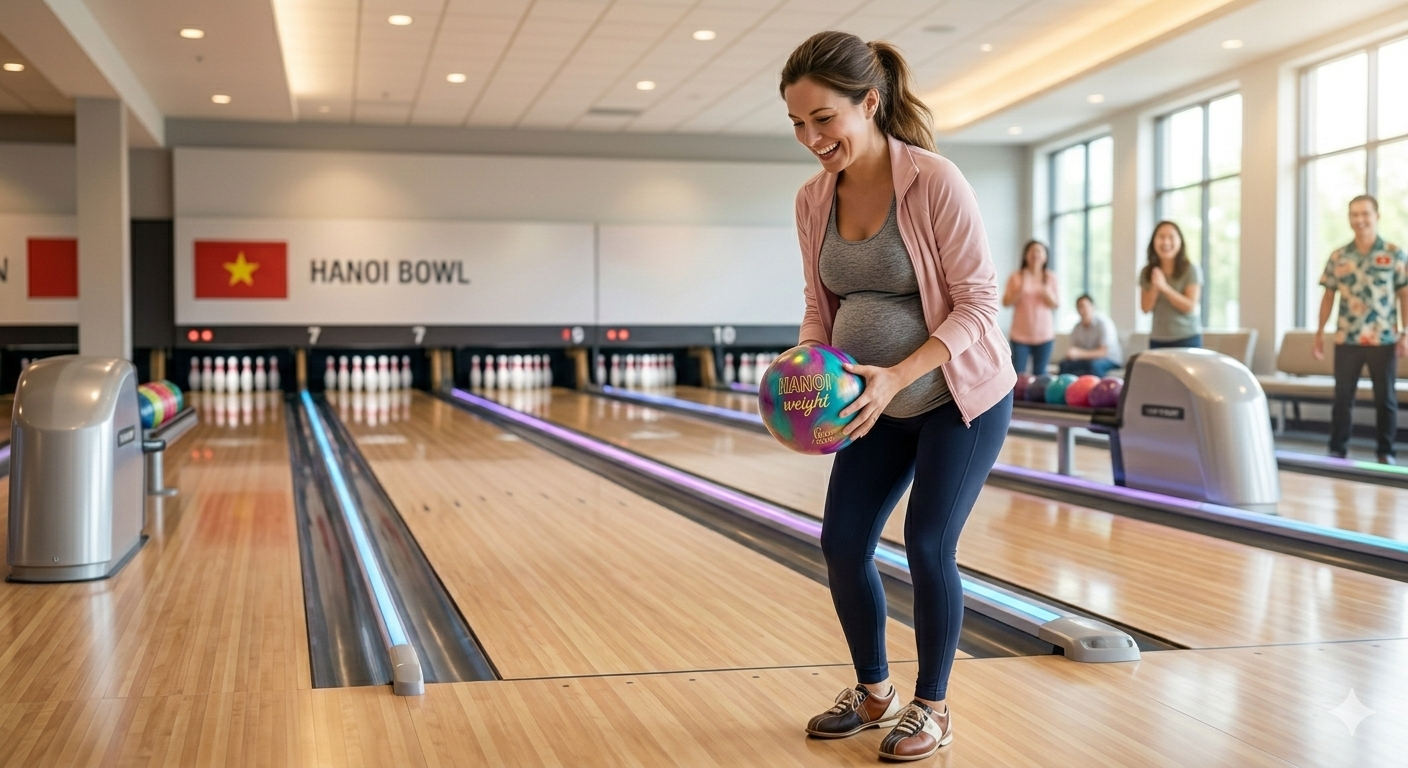
Pregnant women can generally play bowling during the first and second trimesters with appropriate precautions, though they should consult their healthcare providers before continuing or starting bowling activities. Bowling offers low-impact exercise that can benefit pregnant women through gentle physical activity, social engagement, and stress relief when performed with proper modifications. However, pregnancy creates physical changes including shifted center of gravity, loosened joints from relaxin hormone, and increased fall risk that require adjusted technique, lighter balls, and awareness of warning signs to stop. Most healthcare providers recommend discontinuing bowling during the third trimester due to balance challenges, increased abdominal size, and potential complications from falls or sudden movements.
Bowling provides moderate physical activity that can benefit pregnant women through cardiovascular exercise, muscle engagement, and social interaction. However, pregnancy fundamentally changes your body's mechanics, stability, and physical capabilities, requiring significant modifications to bowling technique and equipment choices. The American College of Obstetricians and Gynecologists (ACOG) generally supports continued participation in activities you regularly performed before pregnancy, though with appropriate modifications and medical supervision.
The most critical safety consideration involves fall prevention. Pregnancy's hormonal changes increase joint laxity while weight distribution shifts forward, compromising balance and coordination. Bowling approach areas can be slippery, creating fall risks that could harm both mother and developing baby. Pregnant bowlers must prioritize stability over performance, accepting reduced ball speed and modified techniques that ensure safe execution.
Every pregnancy differs significantly based on individual health factors, pregnancy complications, and fitness levels. Women with high-risk pregnancies, history of miscarriage, placental issues, or specific medical conditions may receive different guidance from their healthcare providers than women with uncomplicated pregnancies. Always prioritize medical advice specific to your situation over general guidelines. Bowlers wearing custom bowling jerseys in league competition should discuss continuation with both their healthcare providers and league coordinators.
|
Trimester |
General Safety |
Recommended Modifications |
Warning Signs to Stop |
|
First (1-12 weeks) |
Usually safe with precautions |
Light balls, stable approach |
Bleeding, cramping, dizziness |
|
Second (13-26 weeks) |
Moderate activity acceptable |
Reduced speed, shorter sessions |
Balance issues, abdominal pain |
|
Third (27-40 weeks) |
Generally not recommended |
Consider stopping |
Any concerning symptoms |
The first trimester presents unique challenges including fatigue, nausea, and hormonal adjustments that affect energy levels and comfort. Many women experience morning sickness that can make physical activity unpleasant, while extreme fatigue reduces stamina for bowling sessions. However, women feeling well during early pregnancy can generally continue bowling with minimal modifications if they bowled regularly before conception.
Balance typically remains relatively unaffected during the first trimester since abdominal growth remains minimal and weight distribution hasn't significantly shifted. Joint laxity from relaxin hormone begins during first trimester but usually doesn't create major stability issues until later pregnancy. The primary first trimester concerns involve fatigue management, hydration, and monitoring for any bleeding or cramping that might indicate complications requiring immediate medical attention.
Listen to your body's signals during first trimester bowling. If you feel unusually tired, nauseous, or uncomfortable, stop bowling and rest rather than pushing through discomfort. Dehydration occurs more easily during pregnancy, making water intake during bowling sessions essential. Many women find that gentle activity like bowling actually helps reduce first trimester nausea through distraction and light exercise. Understanding bowling basics helps pregnant beginners approach the sport safely if they're starting during pregnancy.
The second trimester often brings renewed energy as morning sickness subsides and the pregnancy enters its most comfortable phase. Many women feel well enough to maintain regular activities including bowling, though growing abdominal size and shifting weight distribution require technique modifications. Balance becomes more challenging as the center of gravity shifts forward, necessitating more careful foot placement and slower approach speeds.
Use lighter bowling balls than your pre-pregnancy weight—typically 2-4 pounds lighter than normal. A bowler who typically uses 14-pound balls should consider 10-12 pound options during pregnancy. Lighter balls reduce strain on your back, arms, and core while minimizing fall risk if you lose control during delivery. The reduced weight allows you to maintain better balance and control throughout your approach and release.
Consider using rental shoes with maximum grip rather than high-performance bowling shoes designed for extensive sliding. More grip reduces slide distance, providing better stability and control at the foul line. Some pregnant bowlers prefer wearing athletic shoes with bowling center permission if the center allows exceptions for medical reasons, though standard bowling shoes typically provide adequate stability.
Shorten your approach from five steps to three or four steps, reducing momentum and potential fall risk. Slower approach speeds provide better balance control and allow you to stop safely if you feel unstable. Eliminate any jumping or explosive movements in your approach, focusing instead on smooth, controlled motion from start to finish.
Avoid excessive backswing height that creates torque on your abdomen and lower back. A compact, controlled swing reduces strain while maintaining enough momentum for comfortable ball delivery. Professional bowlers in Storm bowling jerseys typically use aggressive approaches, but pregnant bowlers should prioritize safety over performance. Equipment like the Storm Phaze AI bowling jersey represents performance technology that pregnant bowlers should temporarily set aside in favor of lighter, more forgiving options.
Most healthcare providers and bowling safety experts recommend discontinuing bowling during the third trimester due to significantly increased fall risk, balance challenges from maximum abdominal size, and potential complications from sudden movements or impacts. The shifted center of gravity creates substantial stability challenges that make safe bowling approach execution difficult or impossible for most pregnant women.
The physical logistics of bowling become problematic—bending to lift balls from the return, navigating approach areas with large abdomen, and maintaining balance during approach all create hazards that outweigh bowling's benefits. Additionally, third trimester brings increased risk of premature labor, and the physical exertion or potential impact from falls could trigger contractions or complications.
Some women with uncomplicated pregnancies and strong physical conditioning may receive medical clearance for very modified bowling during early third trimester, but this remains individualized decisions requiring explicit healthcare provider approval. Even with clearance, many women find bowling too uncomfortable or challenging to enjoy, making voluntary cessation the practical choice. Focus shifts toward pregnancy preparation, and bowling can resume postpartum after medical clearance.

Always wear appropriate footwear with good traction. Inspect the approach area before each ball, watching for wet spots, debris, or slippery conditions that create fall hazards. Take your time walking to and from the ball return—rushing increases fall risk significantly. Consider requesting lane closer to seating areas, minimizing distance you must walk between turns.
Use the ball return cautiously, bending at the knees rather than waist to retrieve balls. This technique reduces lower back strain while maintaining better balance. If bending feels uncomfortable or unstable, ask others to retrieve your ball rather than risking loss of balance. Never reach across or over the ball return machinery in ways that compromise your balance or create pinch hazards.
Limit bowling to 1-2 games per session rather than extended 3-4 game series. Fatigue increases injury risk, and pregnancy increases fatigue rates significantly. Take sitting breaks between frames rather than standing throughout your turns. Proper rest prevents exhaustion that compromises judgment and physical control.
Stay well-hydrated throughout your bowling session. Pregnancy increases dehydration risk, and physical activity compounds this issue. Bring water bottles and drink regularly regardless of thirst level. Avoid bowling in excessively warm environments that could contribute to overheating or dehydration. Temperature regulation becomes more challenging during pregnancy, making comfortable environmental conditions essential.
Stop bowling immediately and seek medical attention if you experience bleeding, severe abdominal cramping, sudden severe headache, vision changes, dizziness, or fluid leakage. These symptoms could indicate serious complications requiring immediate evaluation. Less severe but concerning symptoms like persistent abdominal discomfort, unusual fatigue, shortness of breath, or reduced fetal movement also warrant stopping bowling and contacting your healthcare provider.
Pay attention to balance and coordination changes during bowling. If you feel increasingly unstable, experience near-falls, or notice degraded coordination, stop bowling even without other symptoms. These changes signal that your body's adaptations to pregnancy have progressed beyond safe bowling capability. Don't push through concerning symptoms out of commitment to teammates or desire to finish games—your health and baby's safety vastly outweigh any bowling considerations.
When performed safely with appropriate precautions, bowling offers several benefits for pregnant women. The moderate physical activity promotes cardiovascular health, helps manage pregnancy weight gain, and maintains muscle tone without excessive impact on joints. The social aspect provides emotional support and normalcy during pregnancy's physical and emotional changes.
Bowling's low-impact nature makes it gentler than running, jumping, or contact sports that create greater injury risks. The controlled environment of bowling centers provides climate control and flat surfaces superior to outdoor activities subject to weather and terrain challenges. For women who bowled regularly before pregnancy, continuing modified bowling maintains some connection to their pre-pregnancy activities and identities.
The mental health benefits of continued social engagement and physical activity shouldn't be underestimated. Pregnancy can feel isolating, and maintaining social connections through activities like league bowling provides valuable emotional support. The distraction and enjoyment of bowling may help reduce pregnancy-related anxiety or stress when practiced within safe parameters. League bowlers in Hammer bowling jerseys or Motiv bowling jerseys who discover pregnancy during the season can often continue participating with modifications in early pregnancy.
If bowling becomes uncomfortable or your healthcare provider recommends cessation, consider alternative low-impact activities like walking, swimming, prenatal yoga, or stationary cycling that provide similar benefits with reduced fall risk. These activities maintain fitness and social engagement while better accommodating pregnancy's physical demands.
Most healthcare providers clear women for gradual return to pre-pregnancy activities around 6 weeks postpartum for uncomplicated vaginal deliveries, or 8-12 weeks after cesarean sections. However, return timing varies significantly based on individual recovery, breastfeeding status, and any delivery complications. Start with light bowling sessions using reduced ball weights, gradually rebuilding strength and technique over several weeks.
New mothers face unique challenges returning to bowling including changed body mechanics from pregnancy, core weakness from separated abdominal muscles, and time constraints from infant care. Give yourself grace during the return process, accepting that your pre-pregnancy performance level may take months to rebuild. Focus on enjoying bowling rather than achieving specific performance benchmarks immediately after returning. Understanding proper bowling technique helps rebuild skills systematically post-pregnancy.
Every pregnant woman considering bowling should discuss the activity with their healthcare provider who knows their specific medical history, pregnancy progression, and risk factors. This conversation should occur early in pregnancy before continuing or starting bowling activities. Bring questions about appropriate modifications, warning signs requiring immediate cessation, and conditions that might make bowling inappropriate for your situation.
Be honest with your provider about your bowling experience level, typical ball weights used, and league commitment pressures. This information helps them provide relevant guidance specific to your situation rather than generic pregnancy activity advice. If your provider recommends against bowling, accept their expertise even if you feel disappointed—they're prioritizing your health and your baby's wellbeing based on medical knowledge you may not possess.
Request written activity guidelines from your provider that you can reference throughout pregnancy. These guidelines help you make informed decisions about when modifications are needed versus when complete cessation becomes necessary. Share these guidelines with league coordinators, teammates, or bowling center staff who may need to understand your medical restrictions. Professionals in Roto Grip bowling jerseys, 900 Global bowling jerseys, or Brunswick bowling jerseys who become pregnant should prioritize medical guidance over competitive commitments.
Pregnant women can generally play bowling during the first and second trimesters with appropriate safety precautions including lighter balls, modified technique, reduced approach speed, and constant awareness of warning signs requiring immediate cessation. However, every pregnancy is unique, making consultation with healthcare providers essential before continuing or starting bowling activities during pregnancy. Most experts recommend discontinuing bowling during the third trimester due to balance challenges, increased fall risk, and potential complications from physical exertion or impacts. By prioritizing safety through equipment modifications, technique adjustments, and immediate response to warning symptoms, pregnant women can potentially enjoy bowling's physical and social benefits during early and middle pregnancy stages while protecting both their health and their developing baby's wellbeing. Visit EFX to discover comfortable bowling apparel that accommodates changing body shapes during pregnancy while maintaining style on the lanes.
American College of Obstetricians and Gynecologists. (2024). Exercise during pregnancy guidelines. ACOG Committee Opinion No. 804.
Mayo Clinic. (2024). Pregnancy and exercise: Physical activity recommendations and safety considerations. Mayo Clinic Pregnancy Guide.
National Institute of Child Health and Human Development. (2024). Safe physical activities during pregnancy. NICHD Pregnancy Resources.
Smith, J. (2023). Low-impact activities during pregnancy: Benefits and safety considerations. Journal of Maternal Health, 35(4), 234-251.