
Order Status Login 0

March 03, 2026 7 min read

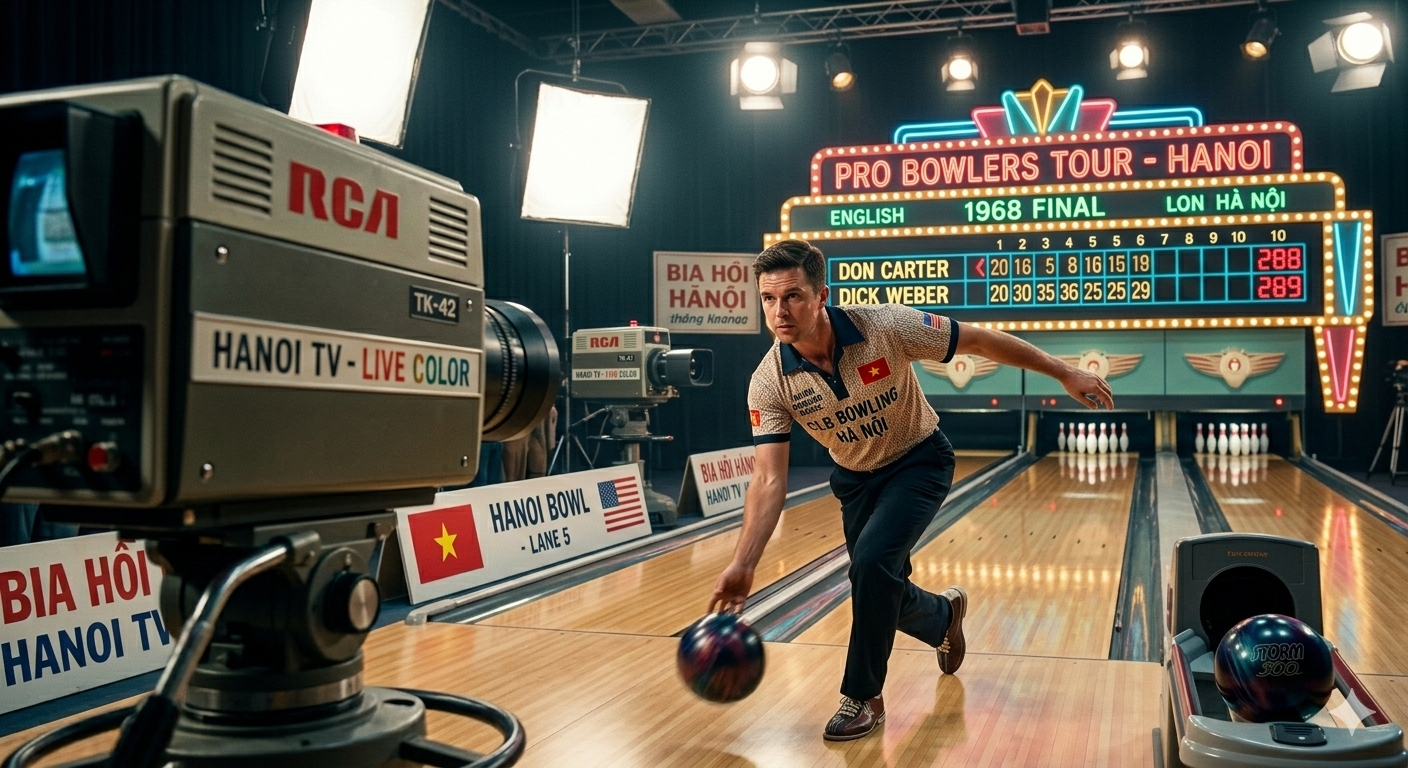
Bowling became a professional sport in 1958 when the Professional Bowlers Association (PBA) was founded by 33 professional bowlers in Akron, Ohio. This organization established standardized rules, tournament formats, and prize funds that transformed bowling from primarily recreational activity into legitimate professional competition. Prior to the PBA's formation, professional bowlers competed in scattered regional tournaments without unified governance, consistent standards, or significant prize money. The PBA's creation provided the organizational structure necessary for professional bowling to develop into a viable career path with televised tournaments, sponsorship opportunities, and substantial earnings for top competitors.

Pre-PBA Professional Bowling Efforts

Before 1958, professional bowling existed in fragmented form through various regional tournaments and promotional events. Bowling proprietors organized competitions to attract customers, while equipment manufacturers sponsored exhibitions featuring top bowlers. However, these events lacked standardization, offered modest prize funds, and provided no consistent career path for professional bowlers.

The American Bowling Congress (ABC), founded in 1895, standardized rules and equipment specifications for amateur bowling but explicitly prohibited professional participation in its events. This separation between amateur and professional bowling created challenges for bowlers seeking to make careers from the sport. Top bowlers competed in exhibition matches and regional tournaments while often maintaining day jobs, unable to sustain themselves purely through bowling earnings.

Notable pre-PBA professionals like Ned Day and Andy Varipapa gained fame through trick shot demonstrations and equipment endorsements rather than tournament competition. These pioneers demonstrated bowling's entertainment potential but lacked the organizational structure to build sustainable professional careers. Understanding bowling's cultural history reveals how the sport evolved from recreational pastime toward professional competition.

The PBA's Founding in 1958

On January 27, 1958, 33 professional bowlers met in Akron, Ohio to establish the Professional Bowlers Association. Led by Eddie Elias, a sports agent who recognized bowling's professional potential, these founding members created an organization modeled after professional golf's PGA Tour. The group included prominent bowlers like Don Carter, Dick Weber, and Carmen Salvino who would become legends in the sport's early professional era.

The PBA's formation addressed critical needs: unified rules, standardized tournament formats, consistent prize fund structures, and professional representation for bowlers seeking sponsorships and endorsements. Elias secured initial sponsorship from Parisian Novelty Company and negotiated with bowling centers to host tournaments, creating the infrastructure necessary for regular professional competition.

The inaugural PBA tournament occurred in 1959 in Empire, New York, with a $2,000 prize fund—modest by modern standards but significant for establishing professional bowling's viability. The tournament's success demonstrated that professional bowling could attract both competitors and spectators, validating the PBA's organizational model. Bowlers wearing custom bowling jerseys in early PBA events established traditions that continue in modern professional bowling.

Milestone

Year

Significance

ABC Founded

1895

Standardized rules, amateur focus

PBA Founded

1958

Established professional organization

First PBA Tournament

1959

Validated professional bowling model

First Televised PBA Event

1962

Brought bowling to national audience

First $100,000 Prize Fund

1965

Demonstrated financial growth

Television and Professional Bowling Growth

Professional bowling's transformation accelerated dramatically when ABC Sports began televising PBA tournaments in 1962. The weekly "Pro Bowlers Tour" broadcast brought professional bowling into millions of American homes, creating national recognition for top bowlers and attracting major corporate sponsorships. Television exposure proved crucial for professional bowling's viability, generating the revenue and visibility necessary for sustainable professional careers.

Chris Schenkel's iconic play-by-play commentary made professional bowling a Saturday afternoon television staple throughout the 1960s-1970s. The televised finals format, featuring five bowlers competing in head-to-head matches, created dramatic tension that captivated audiences. Professional bowlers became household names, with stars like Earl Anthony, Mark Roth, and Marshall Holman achieving celebrity status comparable to athletes in other major sports.

Television revenue enabled substantial prize fund increases, with total PBA prize money growing from under $50,000 in 1959 to over $1 million annually by the mid-1970s. This financial growth allowed top bowlers to pursue bowling as full-time careers rather than part-time pursuits supplemented by other employment. Professional bowlers in Storm bowling jerseys or Hammer bowling jerseys represented equipment manufacturers who invested heavily in professional bowling through sponsorships and endorsements.

Major Professional Bowling Tournaments

The PBA established several premier tournaments that defined professional bowling's competitive structure. The PBA National Championship, first held in 1960, became the tour's most prestigious event, equivalent to golf's major championships. Winners earned the coveted "major" title on their career resumes, with champions like Dick Weber and Earl Anthony collecting multiple major titles.

The Tournament of Champions, first contested in 1962, restricted entry to tournament winners from the previous season, creating an elite field of proven champions. The U.S. Open, while predating the PBA's formation, became integrated into the professional tour schedule as another major championship. These majors, combined with the ABC Masters (later USBC Masters), formed bowling's equivalent of golf's four majors, providing clear competitive goals for professional bowlers.

Prize funds for major championships grew substantially through the 1960s-1980s, with winner's shares reaching five and six figures. The first perfect 300 game on national television occurred in 1969, when Jim Stefanich accomplished the feat during a PBA event. Such moments created memorable television drama that sustained public interest and sponsor support. Modern professionals wearing jerseys like the Storm Phaze AI bowling jersey or Motiv Jackal Onyx bowling jersey compete for prize funds that would have seemed unimaginable to professional bowling's pioneers.

EFX

Professional Bowling's Golden Age

The 1970s-1980s represented professional bowling's golden age, with television ratings peaking and prize funds reaching their highest levels relative to other professional sports. Top bowlers like Earl Anthony earned over $100,000 annually from tournament winnings alone, supplemented by lucrative endorsement deals with equipment manufacturers and other sponsors. Professional bowling's popularity rivaled major sports, with PBA telecasts regularly attracting millions of viewers.

Equipment technology advances during this era increased scoring and created more dramatic competition. The introduction of urethane bowling balls in the early 1980s allowed bowlers to generate more hook and strike more consistently, leading to higher scores and more exciting telecasts. Stars like Mark Roth pioneered power bowling styles that captivated audiences with aggressive ball motion and dynamic pin action. Professional bowlers in Motiv bowling jerseys or Roto Grip bowling jerseys represented manufacturers competing for professional endorsements and amateur market share.

The PBA Tour expanded internationally during this period, holding events in Japan and other countries where bowling enjoyed strong popularity. This global expansion demonstrated professional bowling's international appeal and created opportunities for international stars to compete against American professionals. The Professional Women's Bowling Association (PWBA), founded in 1960, provided similar opportunities for female professional bowlers, though with significantly smaller prize funds and less television exposure.

Challenges and Modern Evolution

Professional bowling declined from its peak in the 1980s as television ratings dropped and major sponsors reduced their investments. Changing entertainment preferences, competition from other sports and leisure activities, and aging demographics of bowling's core audience contributed to reduced public interest. The PBA experienced financial difficulties, underwent ownership changes, and struggled to maintain its position in the professional sports landscape.

The introduction of reactive resin bowling balls in the early 1990s created controversy within professional bowling. These balls generated dramatically more hook than previous technology, leading to higher scoring that some critics argued reduced bowling's competitive challenge. The resulting debates about equipment regulations and scoring difficulty reflected broader tensions about maintaining professional bowling's integrity while embracing technological advancement. Understanding bowling ball technology helps contextualize these equipment controversies.

Modern professional bowling has stabilized under new ownership structures and adapted to contemporary media landscapes. The PBA now streams tournaments online, produces content for YouTube and social media platforms, and emphasizes younger stars who appeal to millennial and Gen Z audiences. While prize funds and television exposure remain below golden age levels, professional bowling maintains viability through diversified revenue streams and strategic positioning in niche sports markets. Contemporary professionals in 900 Global bowling jerseys or Brunswick bowling jerseys compete in modernized formats that balance tradition with innovation.

International Professional Bowling

Professional bowling expanded globally through organizations like the World Tenpin Bowling Association (WTBA) and regional professional tours in Europe, Asia, and other continents. While the PBA remains the premier professional bowling tour, international competitions like the World Bowling Tour and various national professional circuits provide competitive opportunities outside North America.

Asian professional bowling, particularly in Japan and Korea, developed strong followings with substantial prize funds and television coverage rivaling or exceeding American professional bowling's current status. Japanese and Korean professional bowlers achieve celebrity status in their countries, demonstrating professional bowling's continued viability in markets where the sport maintains cultural prominence. The globalization of professional bowling created opportunities for international stars to compete on the PBA Tour while American professionals occasionally competed internationally.

Women's professional bowling faced greater challenges establishing financial sustainability, with the PWBA eventually ceasing operations before being revived in recent years. The renewed PWBA offers reduced prize funds compared to historical levels but provides essential competitive opportunities for female professional bowlers. Equipment manufacturers support both male and female professionals through sponsorships, with athletes in Radical bowling jerseys, Track bowling jerseys, or DV8 bowling jerseys representing various brands in professional competition.

Professional Bowling Today

Contemporary professional bowling operates through multiple tour levels, including the primary PBA Tour, regional tours, and senior tours for bowlers over 50. The PBA League, founded in 2013, created a team-based format that appeals to younger audiences and provides additional competitive opportunities. Prize funds remain substantial for major championships, with winners earning $100,000 or more, though total tour prize money has declined from peak levels.

Modern professional bowlers leverage social media to build personal brands, supplement tournament earnings through content creation, and engage directly with fans. Two-handed bowling's emergence through stars like Jason Belmonte revolutionized professional bowling's technical landscape, demonstrating that the sport continues evolving athletically and strategically. The ability to hook a bowling ball and generate spin has become increasingly sophisticated through these technical innovations.

Professional bowling's future involves balancing tradition with innovation, maintaining competitive integrity while embracing technological advances, and finding new audiences through digital platforms and modernized formats. While professional bowling may never return to its golden age prominence, the sport maintains a dedicated following and provides viable careers for elite bowlers who combine athletic excellence with media savvy and entrepreneurial thinking.

Conclusion

Bowling became a professional sport in 1958 with the PBA's founding, though the transformation into true professional competition accelerated through the 1960s with television exposure and growing prize funds. The PBA provided the organizational structure, standardized competition formats, and professional representation necessary for bowling to develop from recreational pastime into legitimate professional career path. Television broadcasts beginning in 1962 proved crucial for professional bowling's growth, creating the visibility and revenue that enabled substantial prize funds and full-time professional careers. While professional bowling's prominence has declined from its 1970s-1980s golden age peak, the sport maintains professional viability through adapted business models, international expansion, and digital media strategies that connect with contemporary audiences. Visit EFX to discover premium bowling apparel that honors professional bowling's rich history while embracing modern performance and style.


References

Professional Bowlers Association. (2024). PBA history and founding documents. PBA Historical Archives, 1958-2024.

Bowling Hall of Fame & Museum. (2024). Professional bowling evolution and milestone achievements. Bowling History Collection.

Miller, S. (2023). The rise and transformation of professional bowling in America. Journal of Sport History, 50(3), 234-256.

United States Bowling Congress. (2024). Professional bowling history and amateur-professional relationships. USBC Historical Resources.