
Order Status Login 0

February 02, 2026 6 min read

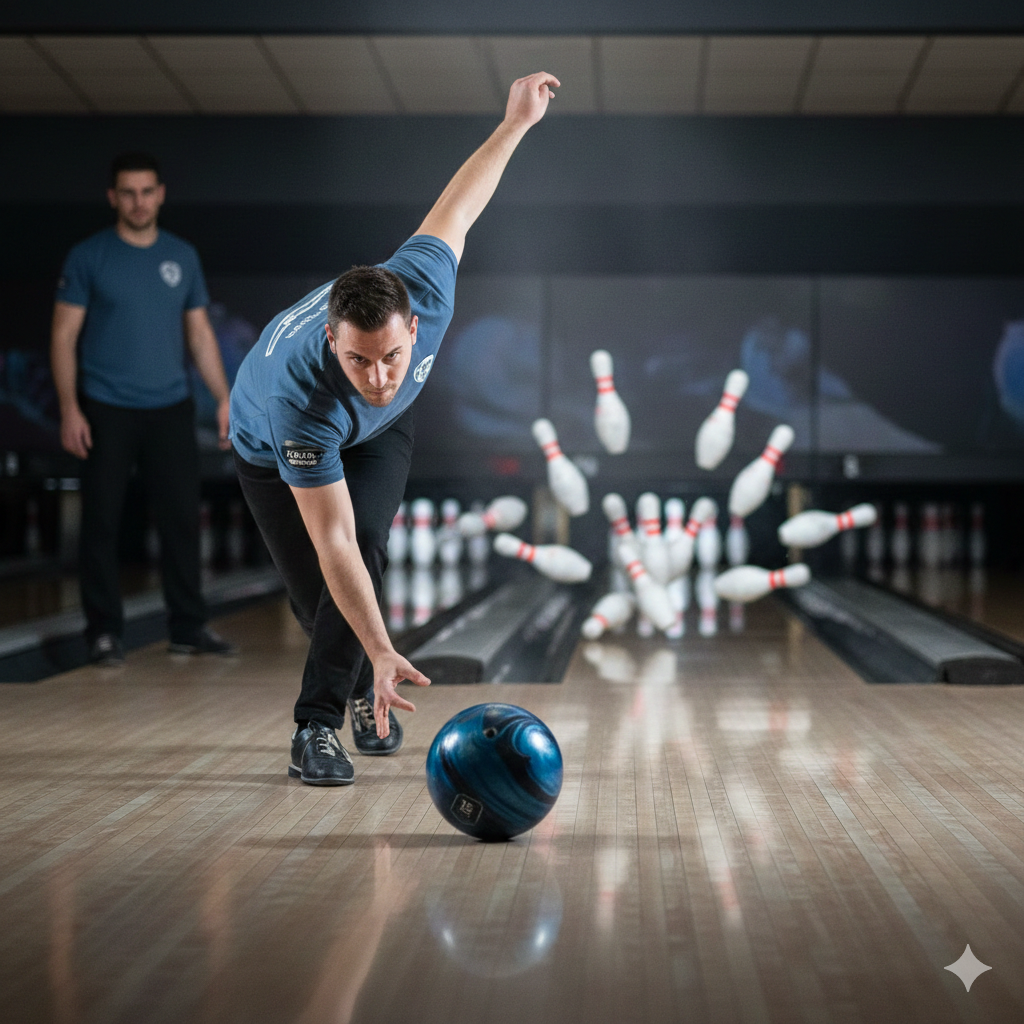
Bowling ball weight directly affects accuracy, consistency, pin carry, and long-term physical health. Choosing the correct weight is not about strength alone. It is a performance decision that balances power, control, and repeatability across different lane conditions.

Many bowlers struggle because they use a ball that is either too heavy to control or too light to generate effective pin action. Understanding how bowling ball weight works allows players to improve scoring potential while reducing unnecessary strain on the wrist, elbow, and shoulder.

What Is the Weight of a Bowling Ball?

A regulation bowling ball weighs between 6 pounds and 16 pounds. This range applies to both house balls and custom-drilled equipment used in league and tournament play.

House balls typically cover the full weight spectrum to accommodate casual players. Custom bowling balls are selected more precisely based on the bowler’s physical ability, style, and competitive goals. Regardless of design or coverstock, no certified bowling ball may exceed the 16-pound maximum set by governing bodies.

Understanding this regulated range creates a baseline for selecting the correct weight with intention rather than guesswork.

What Are the Standard Bowling Ball Weights?

Bowling balls are manufactured in standardized one-pound increments to ensure consistency and fairness across all levels of play. This standardization allows bowlers to progress gradually as strength, technique, and control improve.

Common weights range from 10 to 15 pounds for most adult players. Youth and beginners often start lighter, while competitive players cluster around higher weights for optimal pin carry. Weight consistency helps bowlers train muscle memory and maintain stable ball speed over time.

These standards become clearer when examining minimum and maximum limits.

Minimum and Maximum Bowling Ball Weights

The minimum regulation bowling ball weight is 6 pounds, typically designed for youth players or individuals with limited strength. The maximum weight is 16 pounds, which represents the upper limit for competitive advantage without excessive physical strain.

Balls heavier than 16 pounds are prohibited because they increase injury risk without delivering proportional scoring benefits. This limit ensures that performance relies on skill and technique rather than raw mass alone.

Why Bowling Balls Increase in One-Pound Increments

Manufacturers produce bowling balls in one-pound increments to support controlled skill progression. Smaller increments would complicate production and competitive parity, while larger jumps would disrupt player development.

One-pound increases allow bowlers to adapt gradually without sacrificing control. This structure also ensures that equipment comparisons remain meaningful across leagues and tournaments.

Weight consistency matters because performance depends on repeatability.

Why Bowling Ball Weight Matters for Performance and Safety

Bowling ball weight directly affects physical mechanics, endurance, and long-term joint health. A ball that is too heavy increases strain on the wrist, elbow, and shoulder, while a ball that is too light can disrupt timing and reduce energy transfer through the pins.

Because bowling involves repetitive motion, supporting the body during training and competition becomes critical. Many bowlers overlook how off-lane preparation and apparel influence their ability to handle ball weight consistently. Lightweight, movement-friendly athletic wear helps maintain proper posture, shoulder mobility, and balance during extended practice sessions. Apparel styles such as the Athletic Black support unrestricted movement and temperature control, which indirectly helps bowlers manage heavier ball weights more safely over time.

When weight selection aligns with physical conditioning, fatigue decreases and shot repeatability improves. This relationship highlights why performance decisions should extend beyond the ball itself.

How to Pick a Bowling Ball Weight Correctly

Choosing the correct bowling ball weight depends on measurable physical and technical factors, but it also depends on how consistently a bowler can support that weight across multiple games. Strength, control, and endurance work together rather than independently.

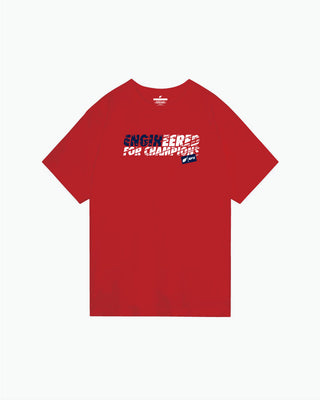
Comfortable, breathable apparel plays a subtle role in this process by reducing muscle tension and overheating during longer sessions. Many league bowlers favor neutral, versatile training apparel like the Athletic Navy  because it supports sustained focus and movement consistency without distraction. When the body stays relaxed, bowlers are better able to evaluate whether a ball weight truly fits their mechanics.

This foundation allows more accurate decisions when evaluating body weight, strength, and bowling style.

Choose Bowling Ball Weight Based on Body Weight

A common guideline suggests selecting a ball that weighs approximately 10 percent of body weight, up to the 16-pound maximum. For example, a 150-pound bowler often matches well with a 14- or 15-pound ball.

This guideline provides a starting point rather than a strict rule. Bowlers should always prioritize control and comfort over theoretical maximums.

Choose Bowling Ball Weight Based on Strength and Control

Strength alone does not determine ideal weight. Control determines scoring consistency. A bowler should swing the ball smoothly without muscling the motion or forcing the release.

If grip pressure increases or timing breaks down, the ball is likely too heavy. Proper weight allows the arm to act as a pendulum rather than a lever.

Control leads directly to repeatable shots under pressure.

Choose Bowling Ball Weight Based on Bowling Style

Bowling style affects how weight feels during motion. Power bowlers and two-handed bowlers often manage heavier balls due to higher rev rates and leverage. Strokers and straight bowlers frequently benefit from slightly lighter weights that enhance accuracy.

Rev-dominant players can generate motion without relying solely on mass. Speed-dominant players may need additional weight to improve pin carry.

Style alignment prevents forced mechanics.

Choose Bowling Ball Weight Based on Lane Conditions

Lane conditions influence how weight translates into performance. Heavier balls do not automatically perform better on dry lanes, where excess weight can reduce backend motion.

On higher oil volumes, added weight may help maintain energy through the pins. On lighter patterns, control and surface preparation matter more than mass.

Weight selection should remain adaptable rather than fixed.

Bowling Ball Weight for Beginners

Beginners benefit most from lighter bowling balls that promote control and confidence. Most adult beginners perform best with 10- to 12-pound balls, depending on strength and coordination.

Starting too heavy often leads to poor habits, including squeezing the grip or forcing the swing. These habits limit long-term development and increase injury risk.

A manageable weight allows beginners to focus on balance, timing, and accuracy before pursuing additional power.

What Weight Bowling Ball Do Pro Bowlers Use?

Most professional bowlers use 14- or 15-pound bowling balls, with 15 pounds being the most common. This weight offers an optimal balance between pin carry and control across demanding lane conditions.

Professionals choose weight based on endurance and consistency rather than maximum force. Many avoid 16-pound balls because fatigue outweighs marginal gains in pin action.

Even at the highest level, precision matters more than raw weight.

Does Heavier Bowling Ball Always Mean Better Results?

A heavier bowling ball does not guarantee higher scores. While added weight increases potential energy, it also reduces swing speed and increases fatigue if control suffers.

Accuracy, entry angle, and pocket consistency matter more than mass. Bowlers who lose speed or miss targets with heavier balls often see reduced pin carry rather than improvement.

Better results come from matching weight to ability, not chasing extremes.

Signs Your Bowling Ball Is Too Heavy or Too Light

A ball that is too heavy often causes grip tension, late timing, and physical discomfort. Bowlers may feel wrist pain, shoulder fatigue, or inconsistent release points.

A ball that is too light may skid excessively, deflect through the pins, or lack carry on solid pocket hits. Speed control becomes difficult, leading to erratic ball motion.

Recognizing these signs early prevents performance plateaus and injury.

Bowling Ball Weight vs Pin Carry and Ball Speed

Pin carry depends on energy transfer, which combines ball weight and velocity. Heavier balls transfer more energy at lower speeds, while lighter balls require higher speed to compensate.

Excessive speed with a light ball reduces pin interaction. Insufficient speed with a heavy ball causes deflection. Optimal carry occurs when speed and weight align with the bowler’s release and lane conditions.

Balance drives consistency.

Can Bowling Ball Weight Change Over Time?

Bowling ball weight often changes as players develop strength, refine technique, and pursue competitive goals. Many bowlers move up one or two pounds as control improves.

Injury recovery, aging, or format changes may justify moving down in weight. Adjustments should remain intentional and supported by performance data.

Weight evolution reflects growth, not regression.

Conclusion: Bowling Ball Weight as a Balance Between Power and Control

The correct bowling ball weight represents a balance between power, control, and physical sustainability. Bowlers who chase maximum weight often sacrifice accuracy and endurance, while those who prioritize comfort alone may lose pin carry.

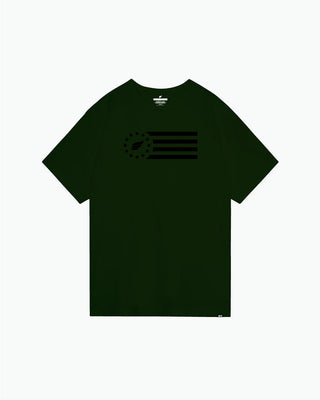
Confidence and posture also influence how weight feels in motion. Apparel that promotes a stable, athletic stance can subtly reinforce proper mechanics and mental readiness. Clean, minimal designs like the Bold Black reflect a performance-first mindset that aligns with disciplined weight selection rather than ego-driven choices.

When bowlers treat weight selection as part of a complete performance system, consistency follows naturally.

Frequently Asked Questions

What weight bowling ball should a teenager use?

Most teenagers perform best with 10- to 14-pound balls, depending on strength and coordination.

Is a 16-pound bowling ball too heavy for most people?

Yes. Most adult bowlers achieve better results with 14- or 15-pound balls.

Do professional bowlers ever use lighter balls?

Yes. Some professionals use 14 pounds to reduce fatigue or improve control.

Can bowling ball weight affect wrist or elbow injuries?

Yes. Excessive weight increases strain and injury risk over time.

Should spare balls be the same weight as strike balls?

Yes. Matching weights maintains timing and release consistency.